
Introduction
Wars and conflicts around the world have far-reaching consequences, extending beyond the borders of the nations directly involved. In an interconnected global landscape, the impact of these conflicts often trickles down, affecting countries like India in unexpected ways. This article delves into the intricate relationship between global wars, healthcare, and humanitarian crises in India, shedding light on the challenges faced by the nation and its people.
1. Displacement and Strain on Resources
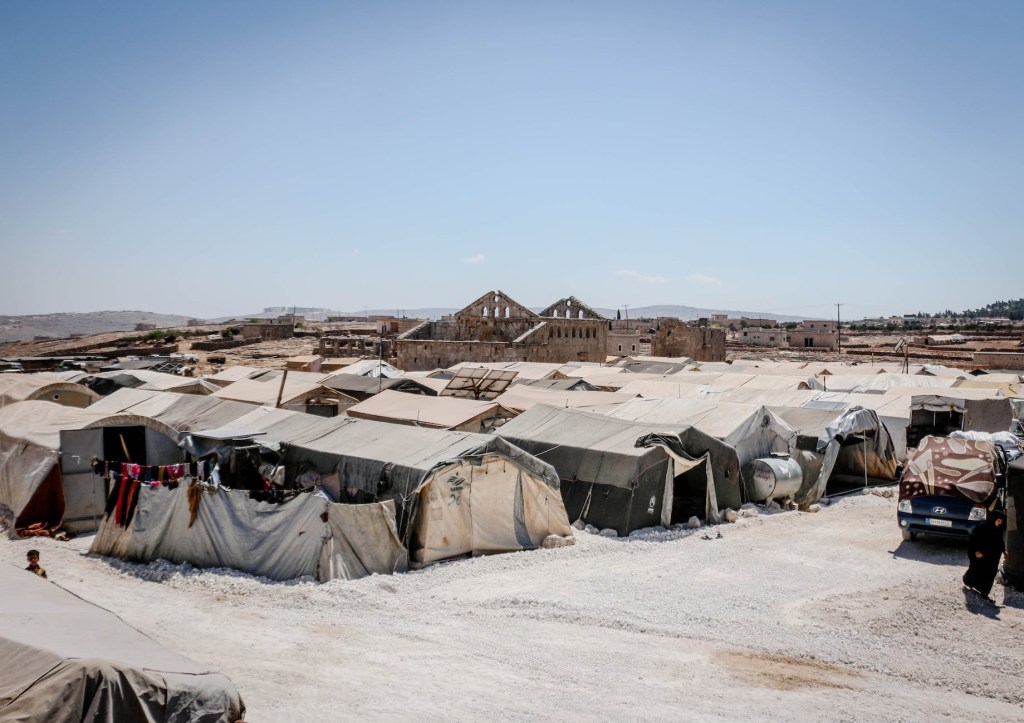
One of the immediate effects of wars in neighboring regions is the displacement of populations. Refugees fleeing conflict zones often seek shelter in neighboring countries, including India. This sudden influx places an immense strain on India’s already stretched resources, including healthcare facilities. Overcrowded refugee camps become breeding grounds for diseases, posing a significant challenge to the country’s healthcare system.
2. Economic Impact
Global conflicts disrupt trade routes and economic stability, affecting India’s economy. Economic downturns can lead to reduced government spending on healthcare, hindering the country’s ability to respond effectively to public health crises. Limited funding may result in a lack of medical supplies, inadequate infrastructure, and reduced access to essential healthcare services for vulnerable populations.
3. Health Infrastructure and Accessibility
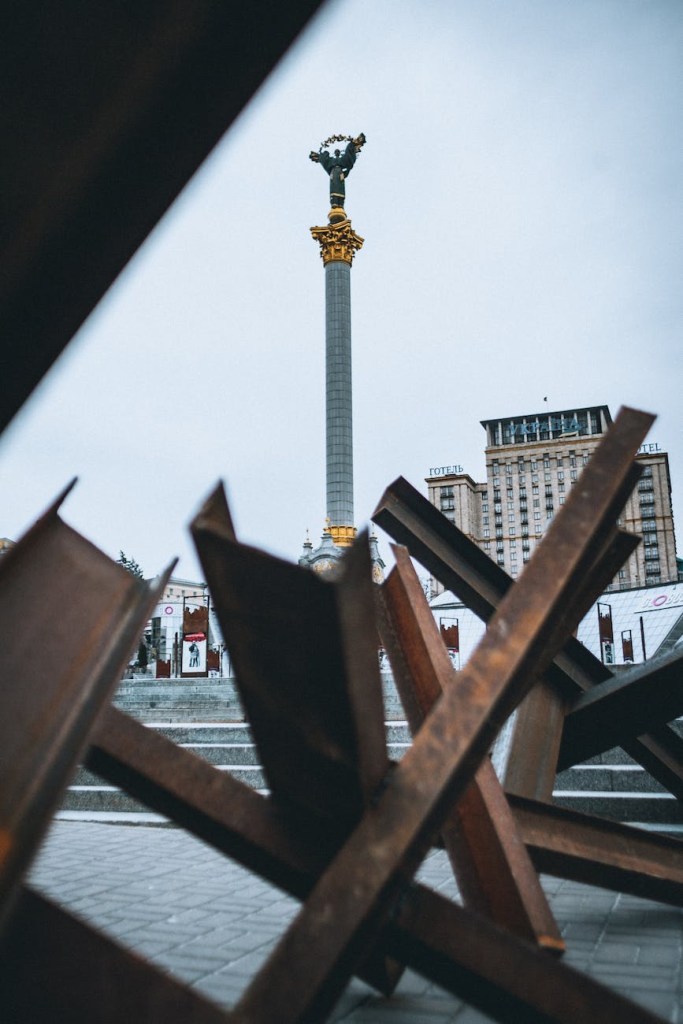
Wars often target essential infrastructure, including hospitals and clinics. In conflict-affected regions, healthcare facilities are damaged or destroyed, making it difficult for people to access medical care. Additionally, healthcare professionals may flee conflict zones, leading to a shortage of skilled personnel. In India, this strain on healthcare infrastructure affects not only those directly impacted by the conflict but also the general population, leading to longer waiting times and decreased quality of care.
4. Mental Health Challenges
The psychological impact of wars is profound and often overlooked. Both refugees and citizens living in conflict-prone areas experience significant trauma, leading to mental health challenges such as post-traumatic stress disorder (PTSD), anxiety, and depression. India’s healthcare system must contend with these issues, providing mental health support to those affected while dealing with the broader humanitarian crisis.
5. Disease Outbreaks
War-torn regions are conducive to the outbreak of diseases due to poor sanitation, limited access to clean water, and overcrowded living conditions. Diseases such as cholera, malaria, and respiratory infections can spread rapidly, affecting both displaced populations and the local communities. In India, efforts to prevent and control disease outbreaks intensify in response to these crises, diverting resources from other essential healthcare services.
6. International Aid and Collaboration
Global conflicts necessitate international aid and collaboration. India, as a responsible member of the international community, plays a significant role in providing humanitarian assistance to affected regions. However, balancing the needs of its own population with the responsibility to assist others poses a challenge. Effective coordination and collaboration with international organizations are crucial to managing the healthcare and humanitarian crisis resulting from wars.
Conclusion
The interconnectedness of the world means that no nation is immune to the repercussions of global conflicts. India, with its vast population and growing economy, faces significant challenges in managing the healthcare and humanitarian crisis brought about by wars in neighboring regions. Addressing these challenges requires a multi-faceted approach, involving international cooperation, increased investment in healthcare infrastructure, and comprehensive support systems for those affected by conflict-related trauma. By understanding the intricate dynamics between global wars and their impact on healthcare, India can work towards building a more resilient and responsive healthcare system, ensuring the well-being of its citizens in the face of adversity.
 Spinewala Blog
One response to “The Ripple Effect: How Global Wars Impact Healthcare and Humanitarian Crisis in India”
wow!! 51Winter Wellness: Tips to Prevent Back Pain in Cold Weather
LikeLike