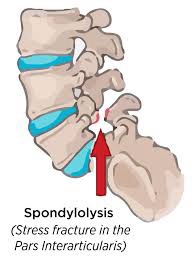
After menopause, many women experience rapid bone loss due to a natural decline in estrogen levels. This makes the bones fragile and increases the risk of osteoporosis and fractures, especially in the spine, hip, and wrist.
The good news? Osteoporosis is preventable. With the right lifestyle choices, nutrition, and regular exercise, women can maintain bone strength and balance throughout their later years.
As a spine specialist in Mumbai, I see many postmenopausal patients who develop vertebral compression fractures simply because early prevention was ignored. Let’s learn how to change that.
1. Lifestyle Modifications to Prevent Fractures
a. Nutrition for Strong Bones
A balanced diet rich in calcium, vitamin D, and protein is the foundation of bone health.
Include:
Dairy products: Milk, curd, paneer, cheese Green vegetables: Spinach, methi, broccoli Nuts & seeds: Almonds, sesame, flaxseed Calcium-fortified foods and Vitamin D supplements (as advised by your doctor)
Tip: Expose your skin to early morning sunlight for 15–20 minutes daily for natural vitamin D activation.
b. Avoid Bone-Damaging Habits
Certain habits accelerate bone loss and must be modified:
Quit smoking and tobacco — they directly weaken bone structure. Limit alcohol and caffeine intake. Avoid prolonged immobility or sedentary routines. Manage stress and sleep — chronic stress elevates cortisol, which impairs bone formation.
c. Fall-Proof Your Environment
Most fractures in elderly women happen after minor slips or falls at home.
Simple safety modifications can prevent major injuries:
Keep floors dry and clutter-free. Use anti-slip mats in bathrooms. Ensure proper lighting in hallways. Install handrails near stairs and toilets. Wear low-heeled, anti-skid footwear.
2. Exercises for Osteoporosis Prevention
a. Weight-Bearing Exercises
These help stimulate bone cells and improve bone density.
Brisk walking (30 minutes daily) Stair climbing Gentle jogging or treadmill walking Dancing or light aerobics
Start slow and increase duration gradually. Always wear comfortable shoes and maintain balance.
b. Strength Training
Muscles pull on bones during movement — and this tension makes bones stronger.
Use light dumbbells or resistance bands Try sit-to-stand exercises, wall push-ups, and heel raises Focus on core strengthening to protect your spine and hips
c. Balance & Posture Exercises
Falls often occur due to poor balance or posture.
Yoga (tree pose, warrior pose) Tai Chi Pilates for flexibility and control Simple balance training: standing on one foot while holding a chair
Good posture reduces stress on the spine and prevents compression fractures.
d. Avoid High-Risk Movements
Avoid forward bending or twisting with weights. Do not lift heavy loads suddenly. Avoid high-impact exercises that could increase fracture risk.
3. Medical Check-ups and Bone Health Monitoring
Get a Bone Mineral Density (DEXA) scan after menopause or if you have a family history of fractures. Regular vitamin D and calcium tests help track your bone health. Consult your spine or orthopedic doctor for medications that slow bone loss or improve bone strength.
Strong bones are built by daily habits, not just medicines.
For postmenopausal women, a combination of balanced nutrition, safe exercises, and fall prevention can drastically reduce the risk of osteoporosis and fractures.
Dr. Om Patil emphasizes that it’s never too late to start — even small lifestyle changes can make a lifetime of difference.
📞 Contact Dr. Om Patil – The SpineWala

🌐 Websites: Endospineworld.com | Spinewala.com
📞 Contact: 9819191896 / 9819195885 / 9819195150
📍 Clinics:
117, Broadway Healthcare, Dadar East, Mumbai
505, CozDerm Skin Clinic, 5th Floor, Above ACME Hospital, Chembur East, Mumbai
 Spinewala Blog