By Dr. Om Patil, Endoscopic Spine Surgeon, Mumbai
A slipped disc at L5–S1 is one of the most common causes of lower back pain and sciatica — that sharp, shooting pain radiating down the leg. For many patients, it begins silently: a sudden jerk while lifting something, long sitting hours, or even an unnoticed injury can lead to disc herniation. Over time, this small “bulge” can compress the spinal nerve and cause persistent pain, numbness, or weakness.
In this article, I’ll explain what happens at the L5–S1 level, how to decide whether surgery is necessary, and what modern surgical techniques — especially endoscopic spine surgery — can offer for faster, safer recovery.
What Is an L5–S1 Slip Disc?
Your spine is made up of vertebrae cushioned by discs that act as shock absorbers. The L5–S1 disc sits between the last lumbar (L5) and the first sacral (S1) vertebra — a zone that bears most of your body weight.
When this disc degenerates or ruptures, the inner gel-like nucleus pushes out, pressing on nearby nerves — especially the sciatic nerve, causing symptoms like:
Pain radiating from lower back to buttock and leg Numbness or tingling in the foot Muscle weakness Difficulty standing or walking
When Does a Slip Disc Need Surgery?
Most L5–S1 disc problems do not need immediate surgery. Conservative care — physiotherapy, medications, posture correction, and epidural injections — can help many patients recover within 6–8 weeks.
However, surgery becomes necessary when:
Pain persists beyond 8–12 weeks despite all treatment Weakness or numbness increases Bowel or bladder control is affected (a sign of severe nerve compression) MRI shows a large or migrated disc fragment compressing the nerve
At this point, surgical decompression offers the best chance of long-term relief and nerve recovery.
Modern Surgical Options
1. Endoscopic Discectomy (Keyhole Surgery)
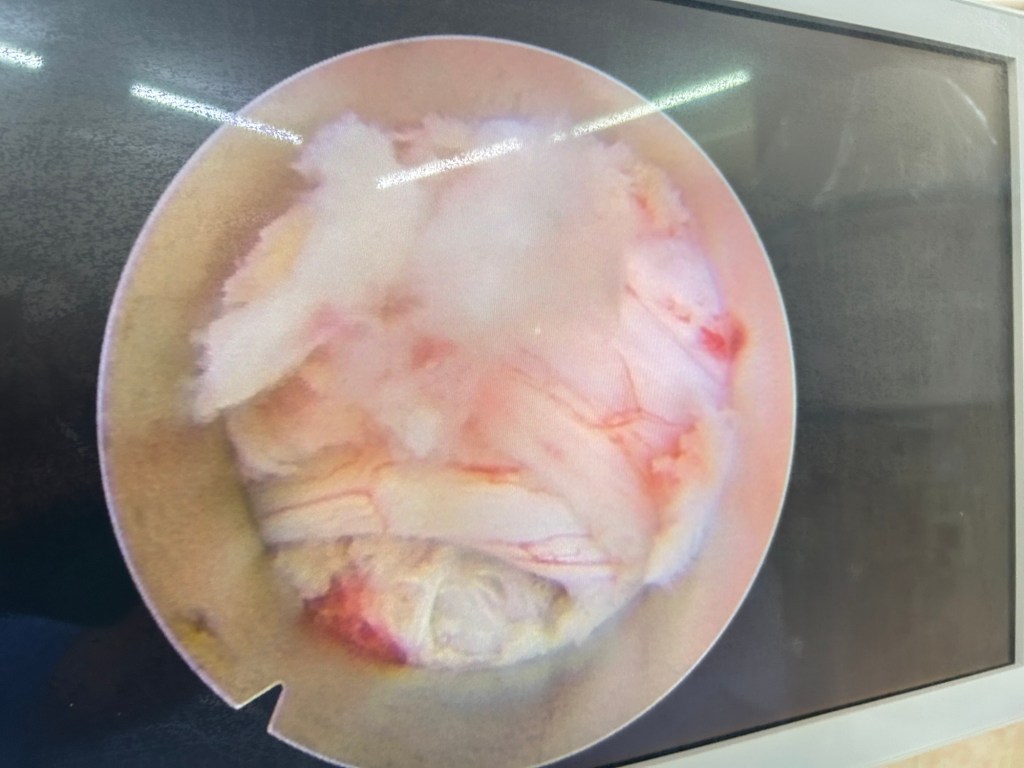
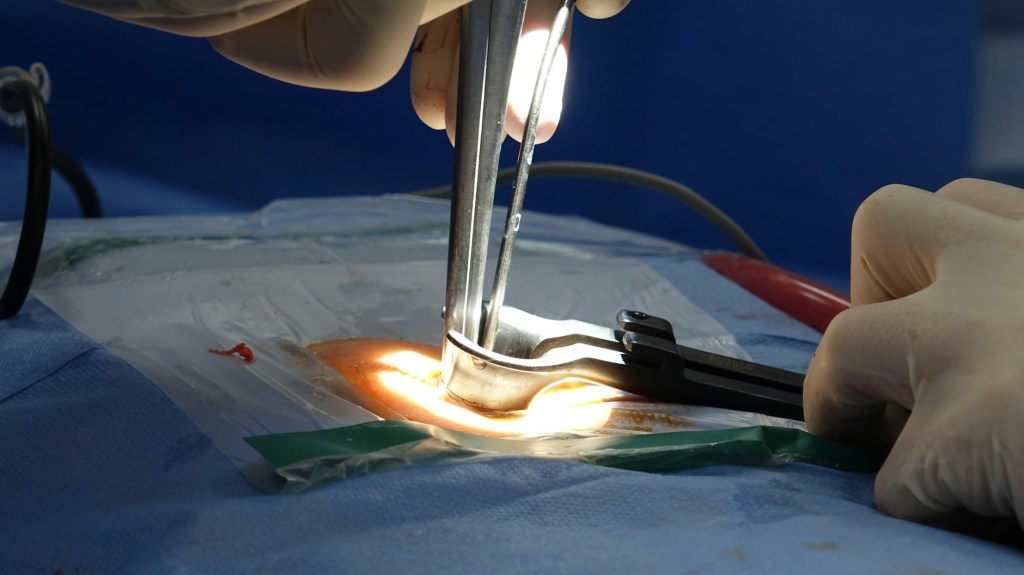
Performed through a 7–8 mm incision, this technique uses a camera and micro-instruments to remove the herniated disc under local or general anesthesia.
Advantages:
Minimal muscle damage Same-day or next-day discharge Early return to work Very low infection or recurrence rates
2. Microscopic Discectomy
A slightly larger incision (about 2–3 cm) with microscope assistance to remove the herniated portion of the disc. This remains one of the most reliable techniques for large or recurrent herniations.
3. Fusion Surgery (if instability is present)
In advanced degeneration or recurrent slip discs, spinal fusion using screws and rods stabilizes the motion segment. This is usually considered only after careful evaluation.
Life After L5–S1 Surgery
The goal of surgery is nerve decompression and functional recovery — not just pain relief. Most patients walk the same day and resume light activities within a week. Full recovery and physiotherapy-based strengthening follow over 4–6 weeks.
Post-surgery tips:
Avoid sitting continuously for long hours initially Follow proper posture and core exercises Maintain ideal body weight Avoid smoking and high-impact lifting
When performed correctly with modern minimally invasive methods, endoscopic spine surgery for L5–S1 slip disc provides >95% pain relief with minimal downtime — helping patients get their back “in action” again.
Final Thoughts
A slip disc is not the end of your active life — it’s often a wake-up call for better spine care. Modern endoscopic and microscopic spine surgeries have made recovery simpler, safer, and faster than ever before.
If you’re suffering from persistent back or leg pain, don’t ignore it or rely solely on painkillers. An expert spine evaluation and MRI can help determine whether you need surgery or a structured rehabilitation program.
Dr. Om Patil – Spinewala
🩺 Endoscopic Spine Surgeon, Mumbai

🌐 Endospineworld.com | Spinewala.com
📞 9819191896 / 9819195885 / 9819195150
📍 117, Broadway Healthcare, Dadar East, Mumbai
📍 505, Cozderm Skin Clinic, Chembur East, Mumbai
 Spinewala Blog