Heel pain is commonly attributed to conditions such as plantar fasciitis or Achilles tendon problems. However, in some patients, persistent heel pain may actually originate from a nerve problem in the lower back, particularly sciatica. Understanding this connection is important because treating only the heel may not solve the root cause.
Understanding Sciatica
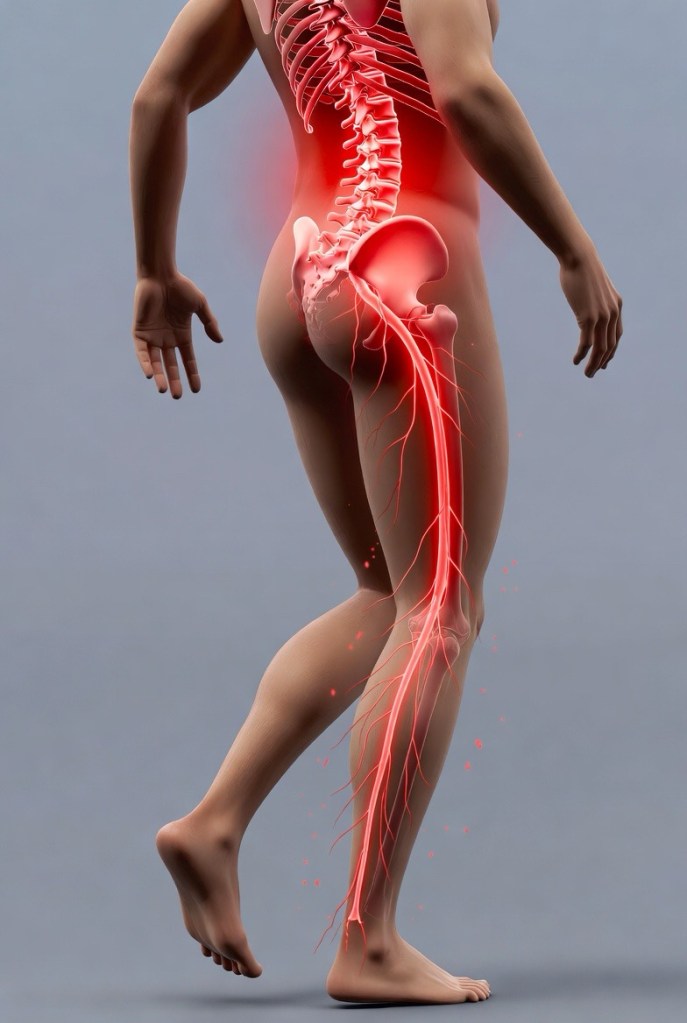
Sciatica refers to pain caused by irritation or compression of the sciatic nerve, the largest nerve in the body. This nerve originates in the lower spine and travels through the buttock, thigh, calf, and down to the foot.
When the nerve is compressed—often due to conditions like a slipped disc or lumbar canal narrowing—the pain may radiate along its pathway. Sometimes the only noticeable symptom is pain in the heel or foot.
Why Sciatica Can Cause Heel Pain?
The nerves supplying sensation to the heel arise from the L5 and S1 nerve roots in the lumbar spine. If these nerve roots are compressed, pain signals may be perceived in the heel.
Common spinal conditions that may produce heel pain include:
- Lumbar Disc Herniation
- Lumbar Canal Stenosis
- Degenerative Disc Disease
- Spondylolisthesis
In these cases, heel pain is not the primary disease but a symptom of nerve irritation in the spine.
Symptoms Suggesting Heel Pain from Sciatica
Heel pain related to sciatica often has distinct characteristics:
- Pain radiating from the lower back or buttock to the heel
- Associated tingling or numbness in the foot
- Burning or electric shock–like pain
- Pain worsens with prolonged sitting, coughing, or bending
- Weakness in the foot or difficulty standing on toes
If heel pain occurs along with these symptoms, a spinal origin should be considered.
How It Differs from Plantar Fasciitis
The most common cause of heel pain is Plantar Fasciitis, which is inflammation of the plantar fascia ligament.
Feature
Plantar Fasciitis
Sciatica
Pain timing
Worse in morning
May worsen while sitting
Location
Bottom of heel
Heel with leg pain
Nerve symptoms
Absent
Tingling / numbness
Back pain
Usually absent
Often present
Recognizing these differences helps guide proper diagnosis.
Diagnosis
If sciatica is suspected, evaluation may include:
Detailed clinical examination Spine imaging such as MRI of the lumbar spine
Neurological assessment of reflexes and muscle strength
A correct diagnosis is crucial because treating the spine problem can relieve the heel pain.
Treatment Options
Treatment depends on the underlying cause and severity of nerve compression.
Non-Surgical Treatment
Physiotherapy and core strengthening Anti-inflammatory medications Activity modification Epidural injections in selected cases
Surgical Treatment
When nerve compression is severe or persistent, minimally invasive spine procedures may be recommended.
Modern techniques such as endoscopic spine surgery can relieve nerve pressure through small incisions with faster recovery.
When to See a Spine Specialist
You should consult a specialist if:
- Heel pain persists for more than 4–6 weeks
- Pain radiates from the back or buttock to the foot
- There is numbness, weakness, or tingling
- Heel treatments are not improving symptoms
Early diagnosis can prevent long-term nerve damage and chronic pain.
Not all heel pain originates in the foot. In some cases, it may be an early indicator of nerve compression in the lower spine. Identifying the true source of pain ensures appropriate treatment and long-term relief.
Dr. Om Patil
Endoscopic Spine Surgeon – Mumbai
🌐 Websites: Endospineworld.com | Spinewala.com
📞 Contact Numbers: 9819191896 / 9819195885 / 9819195150
📍 Address 1: 117, Broadway Healthcare, Dadar East, Mumbai
📍 Address 2: 505, Cozderm Skin Clinic, 5th Floor, Above ACME Hospital, Postal Colony Road, Chembur East, Mumbai.l
 Spinewala Blog