
By Dr. Om Patil | Endoscopic Spine Surgeon
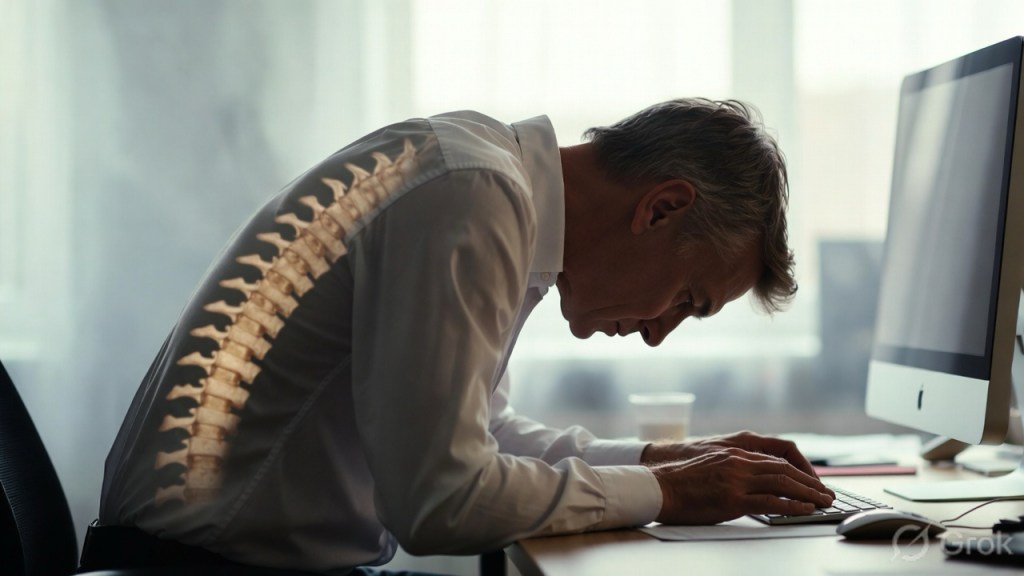
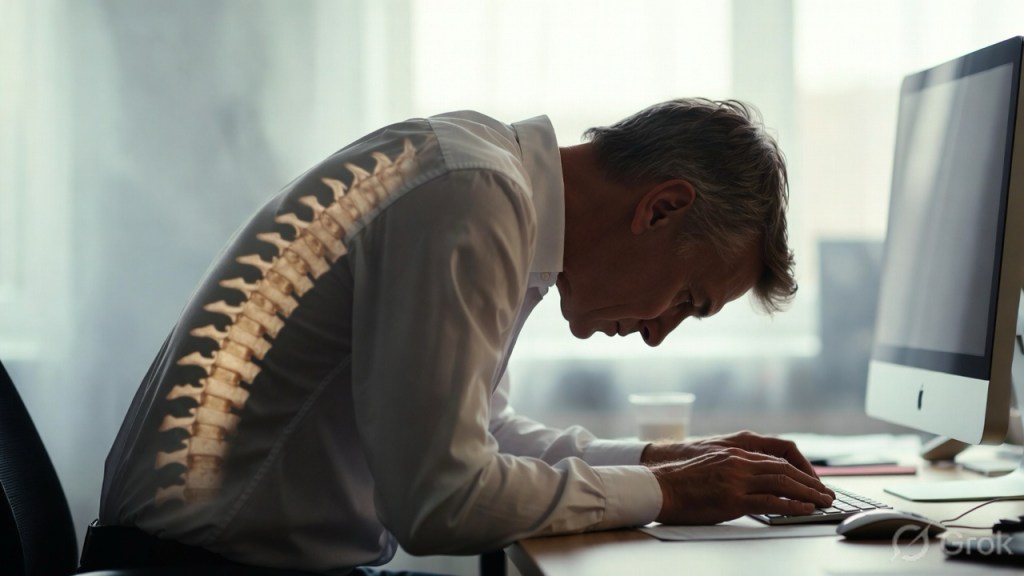
The average adult spends 8–10 hours a day sitting—at a desk, in a car, on the sofa, or looking at a smartphone. While modern technology has made life more convenient, it has also created one of the biggest threats to spinal health: prolonged sitting.
Although the phrase “Sitting is the new smoking” is an oversimplification, it highlights an important reality. Extended periods of inactivity contribute to back pain, neck pain, poor posture, obesity, muscle weakness, and reduced overall health.
Your spine was designed for movement, not prolonged immobility. The more you move, the healthier your spine becomes.
What Happens to Your Spine When You Sit Too Long?
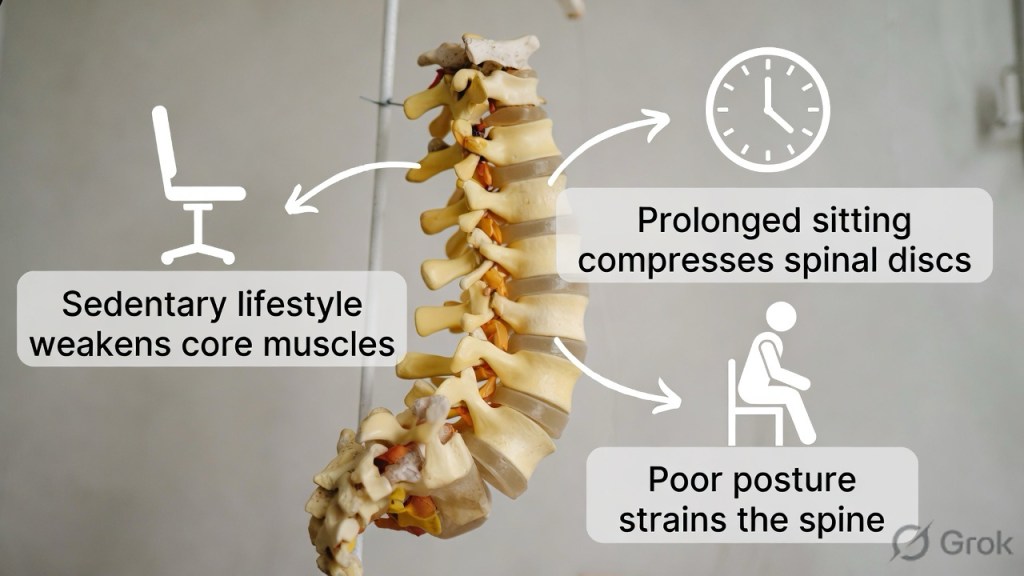
When sitting for prolonged periods:
- The natural curve of the lumbar spine gradually flattens.
- Pressure inside the spinal discs increases.
- Hip flexors become tight.
- Core muscles weaken.
- Neck muscles work harder to support the head.
- Blood circulation slows.
- Joint stiffness develops.
Over months and years, these changes may contribute to chronic mechanical back pain and reduced mobility.
The Hidden Effects of a Sedentary Lifestyle
1. Weak Core Muscles
The deep abdominal and spinal muscles act as your body’s natural support system. Long hours of sitting reduce their activity, making the spine less stable and more vulnerable to injury.
2. Poor Posture
Rounded shoulders, a forward head position, and slouched sitting place excessive stress on the cervical and lumbar spine. Even small postural deviations, repeated every day, can lead to persistent discomfort.
3. Tight Hips and Hamstrings
Prolonged sitting shortens the hip flexors and tightens the hamstrings, restricting movement and increasing strain on the lower back during walking or lifting.
4. Reduced Bone and Muscle Strength
Physical inactivity accelerates age-related muscle loss and reduces the mechanical stimulus needed to maintain healthy bones, increasing the risk of osteoporosis and fractures.
5. Weight Gain
Less movement means fewer calories burned. Excess body weight places additional load on the spine, increasing the risk of chronic low back pain.
Warning Signs You Shouldn’t Ignore
Consult a healthcare professional if you experience:
- Persistent back or neck pain lasting more than a few weeks
- Pain radiating into the arms or legs
- Numbness or tingling
- Muscle weakness
- Difficulty walking
- Problems with bowel or bladder control (seek urgent medical attention)
Early diagnosis often leads to better outcomes.
Five Daily Habits for a Healthier Spine
1. Move Every 30–45 Minutes
Stand up, stretch, or take a short walk for two to five minutes. Frequent movement reduces stiffness and promotes circulation.
2. Strengthen Your Core
Exercises such as planks, bird-dogs, and glute bridges help improve spinal stability and reduce the risk of injury.
3. Optimize Your Workstation
- Keep the screen at eye level.
- Support your lower back.
- Place both feet flat on the floor.
- Keep elbows close to 90 degrees.
A well-designed workspace encourages better posture.
4. Walk Every Day
Aim for at least 30 minutes of brisk walking on most days of the week. Walking nourishes spinal joints, improves circulation, and supports overall health.
5. Include Strength Training
Resistance training two to three times per week helps maintain muscle mass, bone density, and spinal stability, especially after the age of 40.
Can Sitting Cause a Slipped Disc?
Sitting alone does not directly cause a slipped disc, but prolonged poor posture combined with weak muscles, obesity, smoking, and improper lifting techniques can increase stress on spinal discs over time.
Maintaining a healthy lifestyle significantly reduces the overall risk.
When Is Surgery Necessary?
Most cases of back pain improve with:
- Activity modification
- Physiotherapy
- Exercise
- Weight management
- Medications when appropriate
Surgery is generally reserved for selected conditions, such as persistent nerve compression, progressive neurological deficits, spinal instability, or when conservative treatment fails.
Your spine thrives on movement. While modern life often requires long hours of sitting, simple daily habits—standing more, walking regularly, strengthening your core, and maintaining good posture—can dramatically improve spinal health.
The goal is not to avoid sitting altogether but to avoid sitting for too long without moving. Small changes practiced consistently can protect your spine, reduce pain, and improve your quality of life for years to come.
Remember: Motion is medicine. Every step you take is an investment in a healthier spine.
Frequently Asked Questions
Does sitting cause back pain?
Prolonged sitting can contribute to back pain by increasing disc pressure, weakening muscles, and promoting poor posture.
How often should I stand up while working?
Aim to stand, stretch, or walk briefly every 30–45 minutes.
Is standing all day better than sitting?
Not necessarily. Alternating between sitting, standing, and walking is better than remaining in one position for prolonged periods.
What is the best exercise for office workers?
A combination of walking, core strengthening, flexibility exercises, and resistance training offers the greatest benefits.
Can improving posture eliminate back pain?
Good posture helps reduce strain, but persistent pain should be evaluated because multiple conditions can contribute to symptoms.
Dr Om Patil is endoscopic spine surgeon and regenerative treatment expert for bone and joint issues practicing in Mumbai ,
Sedentary Lifestyle and Spine Health: Why Sitting Too Much Causes Back Pain
Discover how prolonged sitting affects your spine, increases back pain risk, and learn practical tips to improve posture, strengthen your back, and stay pain-free.
 Spine Surgeons Notes
Leave a comment