
Dr Om Patil Spine surgeon in Mumbai
Chronic pain can significantly affect mobility, sleep, work, mood, and overall quality of life. When pain continues despite appropriate medicines, physiotherapy, injections, or surgery, spinal cord stimulation (SCS) may be an option for carefully selected patients.
Spinal cord stimulation is an advanced neuromodulation treatment that uses mild electrical impulses to modify pain signalling within the nervous system. Rather than simply masking pain, SCS aims to change how pain signals are processed and perceived.
What Is Spinal Cord Stimulation?
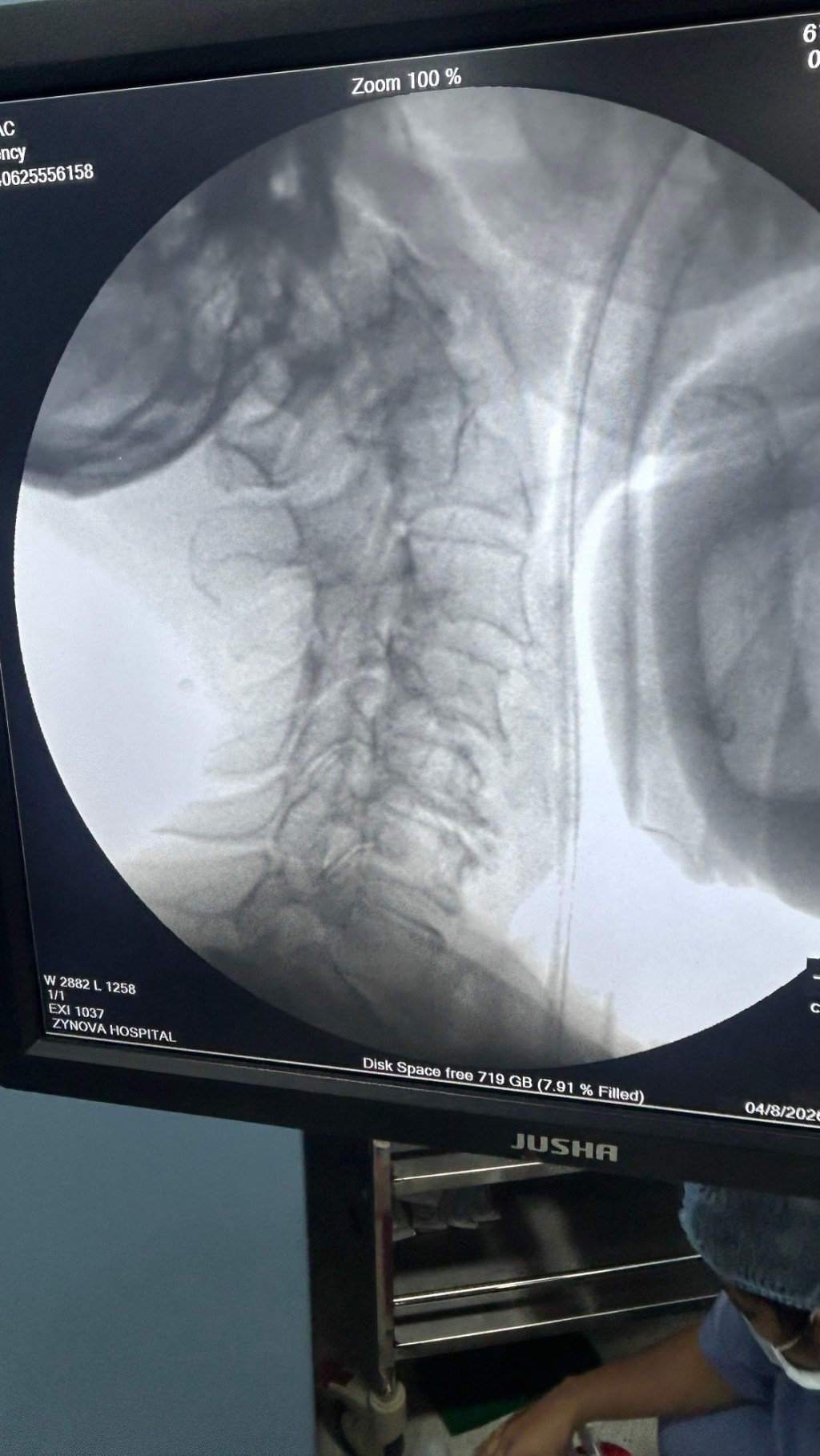
Spinal cord stimulation involves placing thin electrodes, called leads, in the epidural space near the spinal cord. These leads are connected to a small pulse generator that delivers controlled electrical stimulation.
Depending on the technology used, stimulation may produce a tingling sensation or may work without noticeable paraesthesia.
The system can be programmed according to the patient’s pain pattern and response to treatment.
Who May Benefit From Spinal Cord Stimulation?
SCS is generally considered when chronic pain has persisted despite appropriate conservative treatment.
Patients who may benefit include those with:
- Persistent or recurrent pain after spine surgery
- Chronic neuropathic leg or back pain
- Complex regional pain syndrome (CRPS)
- Certain forms of chronic radicular pain or sciatica
- Chronic pain that has not responded adequately to conventional treatment
- Selected patients with painful peripheral neuropathy
- Other carefully selected chronic neuropathic pain conditions
SCS is not appropriate for every patient. A detailed clinical assessment is essential before considering implantation.
Spinal Cord Stimulation After Back Surgery
One important application of SCS is persistent pain after previous spine surgery, sometimes referred to as persistent spinal pain syndrome or failed back surgery syndrome.
A patient may continue to experience severe leg or back pain even after technically successful spinal surgery. This may occur because of persistent nerve injury, recurrent pathology, scar-related changes, or altered pain processing.
In appropriately selected patients, neuromodulation can provide another treatment option when further conventional surgery is unlikely to provide meaningful benefit.
How Does Spinal Cord Stimulation Work?
The nervous system continuously carries information between the body and brain. Chronic pain can involve abnormal or amplified processing of these signals.
SCS delivers electrical stimulation to specific neural pathways involved in pain transmission. Modern systems may use different stimulation strategies, including traditional tonic stimulation and newer paresthesia-free approaches.
The goal is to reduce the intensity and impact of pain and, where possible, improve function and quality of life.
The SCS Trial: Testing Before Permanent Implantation
One of the major advantages of SCS is that patients can usually undergo a temporary trial before permanent implantation.
During the trial:
- One or more leads are placed in the epidural space.
- The leads are connected to an external pulse generator.
- The patient uses the system for a defined trial period.
- Pain relief, activity, sleep, medication use, and functional improvement are assessed.
- If the response is satisfactory, permanent implantation can be considered.
The trial helps determine whether neuromodulation is likely to provide meaningful benefit before committing to a permanent device.
How Is Permanent SCS Implanted?
If the trial is successful, the system can be implanted permanently.
The leads are positioned at the appropriate spinal level, and the pulse generator is placed under the skin, commonly in the abdomen or upper buttock region depending on the patient’s anatomy and device requirements.
The system is then programmed and adjusted according to the patient’s response.
What Are the Benefits?
Potential benefits of SCS include:
- Reduction in chronic pain
- Improved ability to perform daily activities
- Better sleep and quality of life
- Reduction in dependence on pain medications in some patients
- A reversible and adjustable treatment approach
- Ability to modify stimulation settings as pain patterns change
The objective is not simply to achieve a lower pain score, but to help the patient return to a more active and functional life.
What Are the Risks?
Although SCS is generally considered minimally invasive, it is still an implantable medical procedure.
Potential complications include:
- Infection
- Bleeding or haematoma
- Lead migration
- Lead or hardware malfunction
- Unwanted stimulation
- Changes in stimulation effectiveness over time
- Need for revision surgery
- Rare neurological complications
Careful patient selection, sterile technique, appropriate lead placement, and postoperative follow-up are important for achieving good outcomes.
Is Spinal Cord Stimulation Permanent?
The implanted system is designed for long-term use, but it can be programmed, adjusted, replaced, or removed when clinically necessary.
Rechargeable and non-rechargeable pulse generators are available. Device selection depends on factors such as stimulation requirements, expected energy consumption, patient preference, and clinical circumstances.
Is SCS Better Than Another Spine Surgery?
Not necessarily. SCS and spine surgery have different indications.
If imaging demonstrates significant nerve compression, instability, infection, tumour, or another structural problem that requires surgical correction, appropriate surgery may be necessary.
SCS is generally considered when there is no surgically correctable cause of pain or when additional surgery is unlikely to provide sufficient benefit.
Therefore, the decision should be based on clinical examination, imaging, previous treatment, pain characteristics, and the patient’s functional goals.
Frequently Asked Questions
Is spinal cord stimulation painful?
The implantation procedure is performed using appropriate anaesthesia and pain-control measures. Temporary soreness around the implantation sites may occur after the procedure but generally improves during recovery.
How long does the SCS trial last?
The duration varies according to the treatment protocol and clinical situation. Your treating team will determine the appropriate trial period.
Will I still need medicines after SCS?
Some patients are able to reduce their pain medication after successful SCS, but this varies considerably. Medication changes should always be made under medical supervision.
Can SCS cure chronic pain?
SCS is generally considered a pain-management treatment rather than a cure for the underlying cause of chronic pain. Its aim is to reduce pain and improve function and quality of life.
Can spinal cord stimulation be removed?
Yes. The system can generally be removed if medically necessary, although removal requires another procedure.
Choosing the Right Patient Is bthe Key
Spinal cord stimulation is an advanced treatment, but technology alone does not determine success. Correct diagnosis and appropriate patient selection are critical.
Before considering SCS, patients should undergo a comprehensive assessment to identify the source and type of pain and to determine whether there is another treatable cause.
For selected patients living with persistent neuropathic pain despite conventional treatment, SCS can provide an important additional pathway toward better pain control and improved quality of life.
Take-Home Message
Spinal cord stimulation is not simply a device—it is a personalised neuromodulation treatment for carefully selected patients with chronic pain.
If chronic pain continues despite appropriate conventional treatment, a specialist evaluation can help determine whether SCS or another treatment option is appropriate for you.
 Spine Surgeons Notes
Leave a comment