
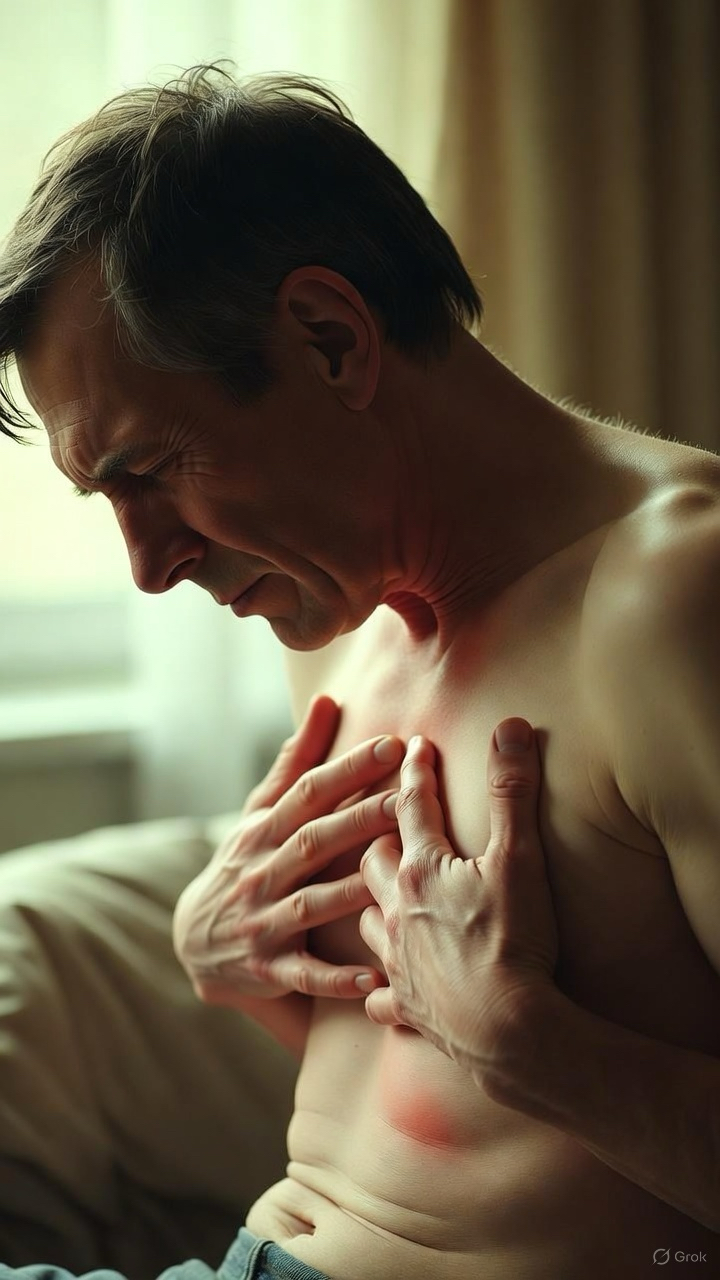

Experiencing sudden, sharp pain in the chest wall is an inherently alarming experience. While it is an absolute clinical imperative to rule out cardiac emergencies first, a significant percentage of patients in the ER for chest pain are actually experiencing a localized musculoskeletal condition known as costochondritis.
At SpineWala, we often evaluate patients who have been dealing with unexplained, chronic chest or mid-back pain. Understanding the biomechanical relationship between the rib cage and the spine is crucial for an accurate diagnosis and effective relief.
What is Costochondritis?
Costochondritis is the inflammation of the cartilage that connects your ribs to your breastbone (the costochondral junction). This inflammation generates a sharp, aching, or pressure-like pain that typically worsens when you take a deep breath, cough, or press directly on the affected rib joints.
The Thoracic Spine Connection
Why consult a spine specialist for chest wall pain? The human rib cage is a dynamic, mechanical ring. It connects to the sternum in the front and the thoracic spine (mid-back) in the back.
When the joints of the thoracic spine become rigid due to poor posture, mechanical stress, or early spinal arthritis, the rib cage loses its natural mobility. As a result, the body compensates by transferring that mechanical stress to the front of the chest during every breath, ultimately inflaming the costochondral cartilage. Additionally, thoracic disc herniations or pinched nerves in the mid-back can refer pain directly around the rib cage, perfectly mimicking costochondritis.
A Modern Approach for Recovery
Because this is an inflammatory and mechanical issue, treatment focuses on reducing tissue irritation and restoring biomechanical balance.
Physiological Optimization: Controlling systemic inflammation is step one. Short courses of anti-inflammatory medications (NSAIDs), combined with localized heat or ice therapy, can calm the acute flare-up.
Autonomic Regulation & Breathwork: Pain alters our breathing mechanics. Paradoxically, taking shallow, stressed breaths keeps the nervous system in a sympathetic “fight or flight” state. Controlled, diaphragmatic breathing protocols not only lower systemic stress but also gently mobilize the rib cage without straining the inflamed cartilage.
Mechanical Rehabilitation: Once the acute pain subsides, targeted physical therapy is essential to improve thoracic spine mobility, correct rounded-shoulder posture, and strengthen the muscles of the upper back.
Diagnostic Clarity is Key
Persistent chest or rib pain requires a precise differential diagnosis to ensure you aren’t overlooking a deeper spinal issue. If you are struggling with unresolved mid-back or rib cage pain, expert evaluation is the first step toward reclaiming your quality of life. At SpineWala, Dr. Om Patil provides comprehensive diagnostics to differentiate between localized chest wall inflammation and referred thoracic spine conditions, ensuring you get the targeted, highly specialized care you need.


Leave a Reply