
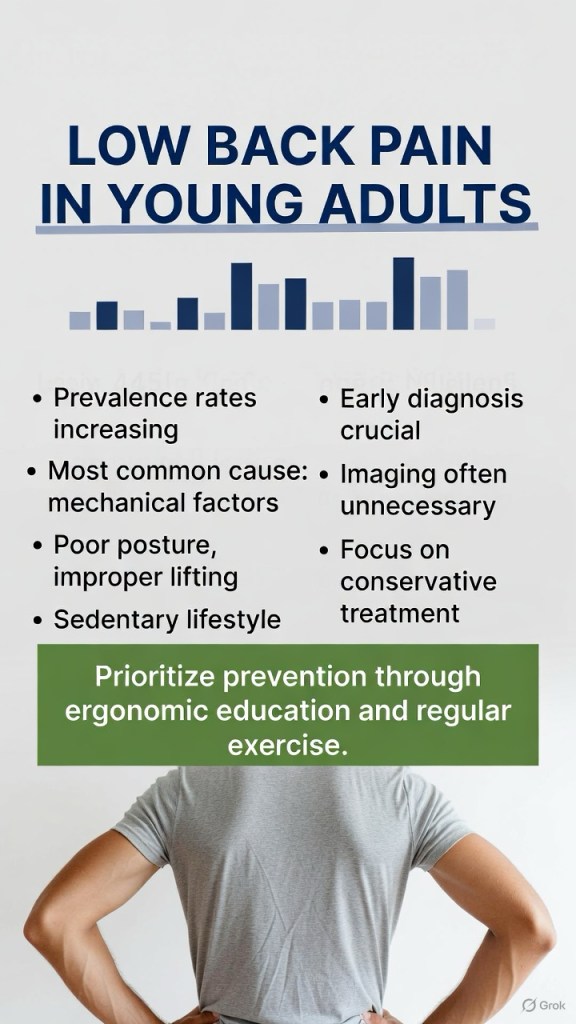
If you are living with chronic low back pain, the path to relief can often feel like an exhausting physical and mental odyssey. For decades, the standard medical advice was simply to rest. Today, our understanding of both the biomechanics of the spine and the neuroscience of pain has fundamentally shifted how we approach recovery.
At SpineWala, we view back pain treatment through a comprehensive, multi-tiered lens—combining physiological optimization with the ultimate precision of modern surgical techniques to achieve lasting relief.
Phase 1: The Physiology of Pain Management
Healing begins at the cellular and neurological levels. Integrating foundational physiological and neuroscience principles into a recovery paradigm can significantly alter pain perception and accelerate tissue healing.
- Autonomic Regulation: Chronic pain often keeps the nervous system in a heightened state of stress (sympathetic overdrive). Techniques that focus on regulating the autonomic nervous system—such as specific breathwork protocols—can lower cortisol levels and reduce the systemic inflammation that exacerbates spinal pain.
- Sleep Architecture: Deep, restorative sleep is when the body repairs micro-tears in muscles and hydrates spinal discs. Prioritizing sleep quality and circadian alignment directly influences how the brain processes pain signals the following day.
- Strategic Movement: Movement is medicine. Instead of prolonged bed rest, controlled, progressive loading encourages blood flow and neuroplasticity, safely remapping a pain-free range of motion in the brain.
Phase 2: Targeted Conservative Interventions
When physiological foundations are optimized, targeted clinical therapies provide the next critical layer of mechanical relief.
- Advanced Physical Therapy: Tailored protocols designed to strengthen the paraspinal muscles and core stabilizers, effectively transferring the mechanical load away from worn facet joints and degenerated intervertebral discs.
- Targeted Injections: Epidural steroid injections or precise nerve blocks can act as a neurological “circuit breaker” for severe radiating pain, reducing local inflammation and creating a crucial window of opportunity for physical rehabilitation to take effect.
Phase 3: The Endoscopic Surgical Solution
When non-surgical measures reach their limit, spinal intervention is no longer the highly disruptive, blunt instrument it once was. The evolution of surgical practice has brought us to ultra-minimally invasive solutions.
For patients facing structural nerve compression—such as severe spinal stenosis or a herniated disc—endoscopic spine surgery offers a highly precise, definitive solution. Operating through an incision less than a centimeter long, high-definition cameras and specialized micro-instruments are used to meticulously decompress irritated nerves.
The Endoscopic Advantage:
- Tissue Preservation: Bypasses the need to cut or strip away the vital stabilizing muscles of the back.
- Minimal Trauma: Significantly reduces blood loss and post-operative pain.
- Accelerated Healing: Allows patients to integrate functional recovery and return to daily activities in a fraction of the time required by traditional open spine surgery.
Take the Next Step Severe back pain should not dictate your quality of life. If you are seeking an expert, precise evaluation, consulting an advanced endoscopic spine surgeon in Mumbai can redefine your recovery trajectory. At SpineWala, Dr. Om Patil is dedicated to merging cutting-edge physiological recovery protocols with the pinpoint precision of endoscopic surgery to help you reclaim your active life.


Leave a Reply